

What is the impact of tariff adjustments on import declaration in worldwide countries?
Tariff adjustments have long been a pivotal factor influencing international trade dynamics. As a provider of Import Declaration from Worldwide Countries, I've witnessed firsthand how these tariff changes can send ripples through the import declaration process across the globe.
Understanding Tariff Adjustments
Tariffs are essentially taxes imposed on imported goods. Governments adjust tariffs for a variety of reasons, including protecting domestic industries, generating revenue, or addressing trade imbalances. These adjustments can take the form of increases, decreases, or the introduction of new tariff categories.
When a country decides to raise tariffs on certain imported products, it's often an attempt to shield its domestic producers from foreign competition. For example, if a nation's steel industry is struggling due to an influx of cheap imported steel, the government might increase tariffs on steel imports. This makes the imported steel more expensive, giving domestic steel producers a competitive edge.
On the other hand, tariff reductions are typically aimed at promoting trade. By lowering the cost of imported goods, countries can encourage consumers to buy more foreign products, which can also lead to increased competition in the domestic market, potentially driving down prices and improving product quality.
Impact on Import Declaration Volume
One of the most immediate impacts of tariff adjustments is on the volume of import declarations. When tariffs are increased, the cost of importing goods rises. This often leads to a decrease in the quantity of goods that businesses are willing to import. As a result, the number of import declarations we receive as a service provider may decline.
For instance, if a country raises tariffs on electronic devices, importers may find it less profitable to bring in large quantities of smartphones or laptops. They might reduce their orders, resulting in fewer import declarations. Conversely, when tariffs are lowered, the cost of importing becomes more attractive. Importers are likely to increase their orders, leading to a surge in import declarations.
This fluctuation in import declaration volume can have significant implications for our business. During periods of high demand, we need to ensure that our staff is adequately trained and equipped to handle the increased workload. We may also need to invest in additional resources, such as software systems, to streamline the import declaration process and ensure efficiency.
Changes in Import Declaration Content
Tariff adjustments can also lead to changes in the content of import declarations. Different tariff rates may apply to various product categories, and importers need to accurately classify their goods to determine the correct tariff amount. This requires a detailed understanding of the Harmonized System (HS) codes, which are used worldwide to classify traded products.
When tariffs change, the HS codes associated with certain products may also be updated. Importers need to stay informed about these changes and ensure that they are using the correct codes in their import declarations. Failure to do so can result in incorrect tariff calculations, which may lead to delays in customs clearance or even penalties.
For example, if a new tariff is introduced for a specific type of fabric, importers need to ensure that they correctly identify the fabric in their import declarations and use the appropriate HS code. This may involve providing more detailed information about the fabric's composition, origin, and intended use.
Challenges in Compliance
Compliance with tariff regulations is a major challenge for importers and service providers like us. Tariff adjustments can introduce new rules and requirements, and it's crucial to stay up-to-date with these changes to avoid non-compliance.
One of the key challenges is the complexity of tariff schedules. Different countries have their own tariff systems, and these can be extremely intricate. Importers need to navigate through a maze of tariff rates, exemptions, and preferential trade agreements to ensure that they are paying the correct amount of tariffs.
Another challenge is the timing of tariff adjustments. Governments may announce tariff changes with little notice, leaving importers and service providers with limited time to adapt. This can lead to confusion and errors in import declarations. For example, if a tariff increase is announced suddenly, importers may not have enough time to adjust their pricing or sourcing strategies, which can impact the accuracy of their import declarations.
Opportunities for Growth
Despite the challenges, tariff adjustments also present opportunities for growth in the import declaration business. As tariffs change, importers may need more support and guidance to navigate the complex regulatory environment. This creates a demand for specialized services, such as tariff consulting and import declaration optimization.
We can leverage our expertise and experience to help importers understand the implications of tariff adjustments and develop strategies to minimize their tariff costs. For example, we can assist importers in exploring alternative sourcing options or taking advantage of preferential trade agreements to reduce their tariff liabilities.
In addition, as the global trade landscape continues to evolve, there is a growing need for digital solutions in the import declaration process. Tariff adjustments can accelerate the adoption of these technologies, as importers look for more efficient and accurate ways to manage their import declarations. We can invest in developing and implementing innovative digital platforms to meet this demand and enhance our competitiveness in the market.
The Role of Export Declaration
While our focus is on Import Declaration from Worldwide Countries, it's important to recognize the relationship between import and export declarations. Tariff adjustments in one country can have a domino effect on the export activities of other countries.
For example, if a country raises tariffs on imported agricultural products, the farmers in exporting countries may face a decline in demand for their goods. This can lead to a decrease in the volume of export declarations. On the other hand, if a country lowers tariffs on certain products, it can create new opportunities for exporters, resulting in an increase in export declarations.

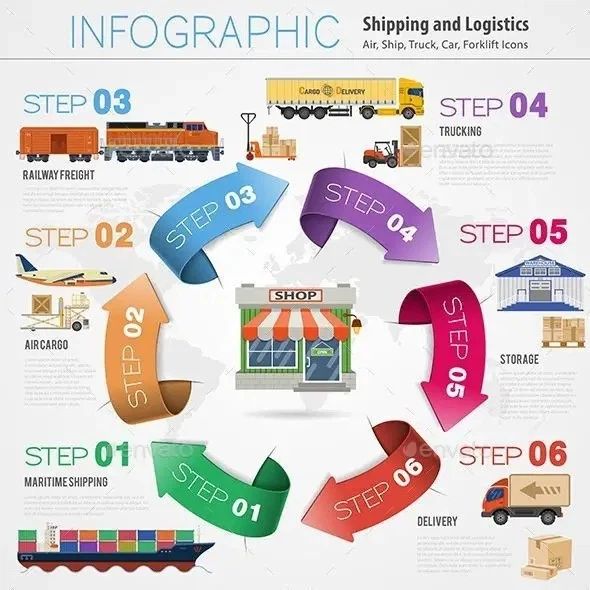
As a service provider, we also offer Export Declaration To Worldwide Countries. By understanding the impact of tariff adjustments on both import and export declarations, we can provide a more comprehensive service to our clients. We can help them analyze the market trends and develop strategies to optimize their trade activities in the face of changing tariff policies.
Conclusion
Tariff adjustments have a profound impact on the import declaration process in countries around the world. From changes in import declaration volume and content to challenges in compliance, these adjustments can pose significant challenges for importers and service providers. However, they also present opportunities for growth and innovation.
As a provider of import declaration services, we are committed to helping our clients navigate the complex world of tariff adjustments. We stay informed about the latest tariff changes and provide them with the support and guidance they need to ensure compliance and optimize their import activities.
If you are an importer looking for reliable and professional import declaration services, we would be delighted to discuss your needs. Contact us to start a conversation about how we can assist you in managing your import declarations effectively in the face of evolving tariff policies.
References
- World Trade Organization (WTO). "Tariff Profiles." Accessed [Date].
- International Chamber of Commerce (ICC). "Harmonized System (HS) Codes." Accessed [Date].
- United Nations Conference on Trade and Development (UNCTAD). "Trade and Development Report." Accessed [Date].